

 CONNECT MIOT
Past events at MIOT
MIOT International Inaugurates a Public Emergency Museum The World of Life-Saving Moments
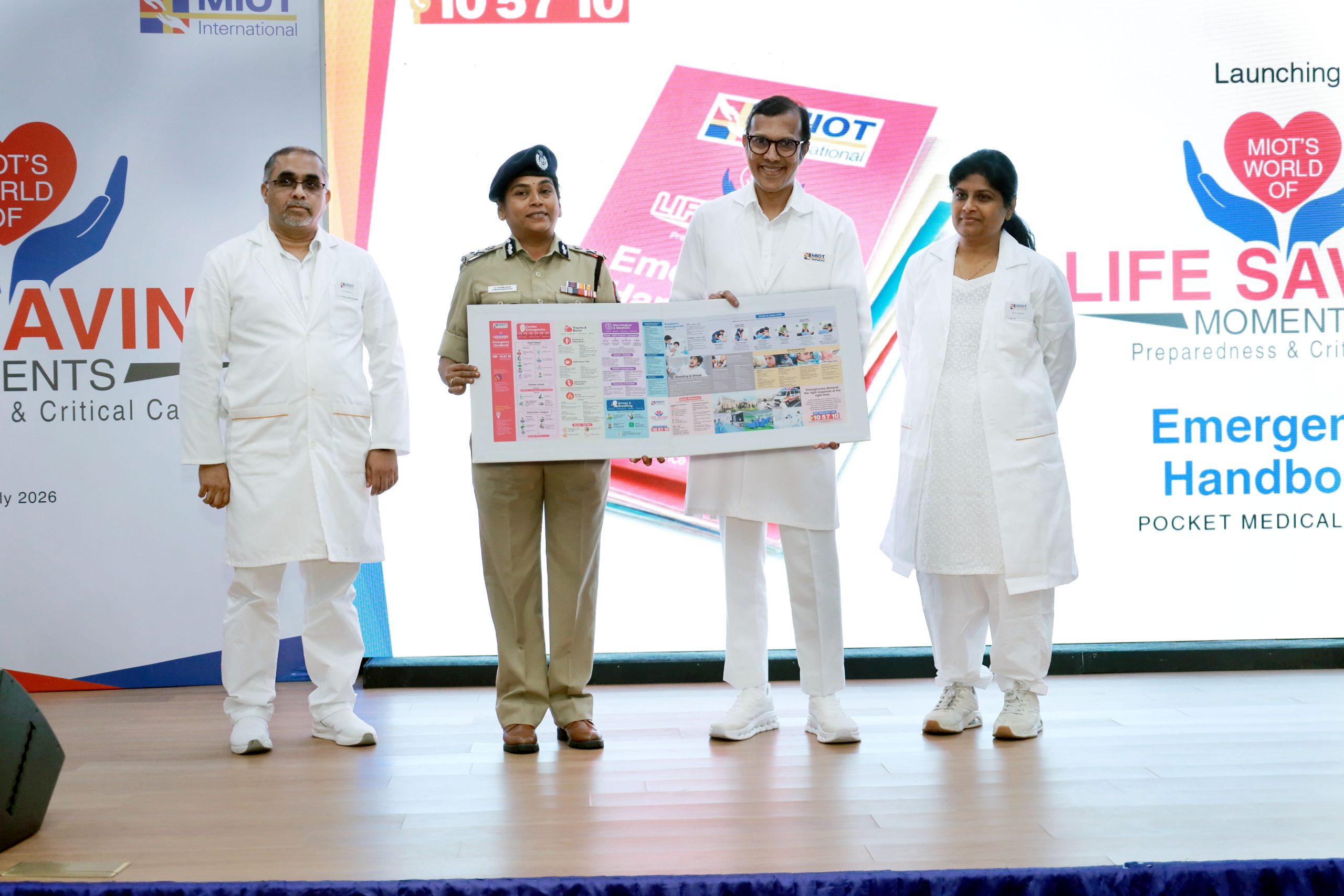
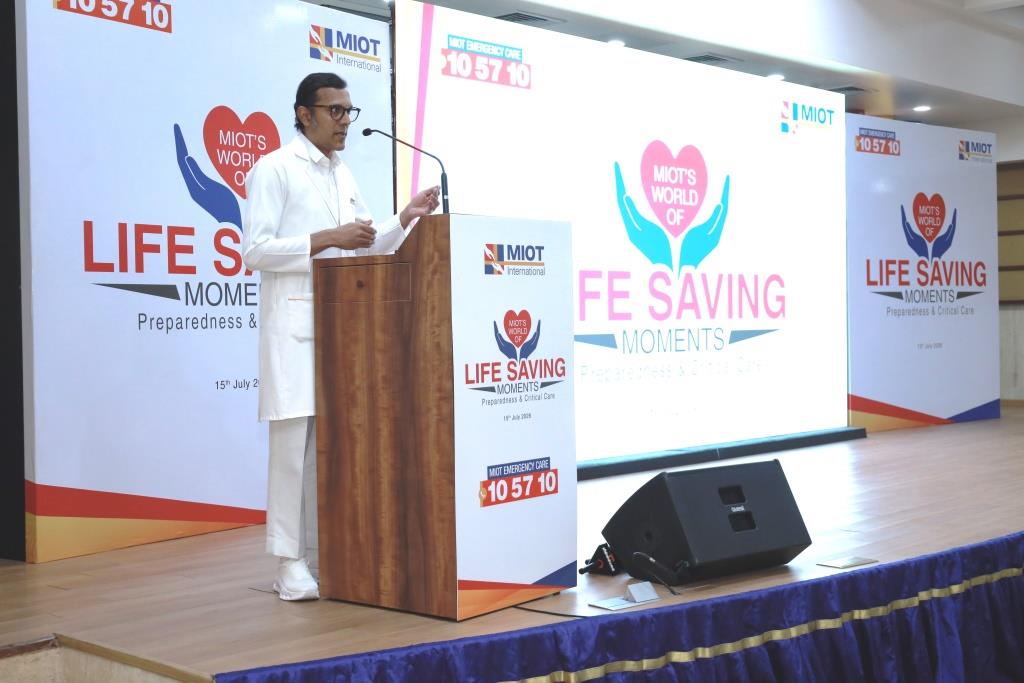
Dr. Sathish. K, HOD – Emergency Medicine and Medical ICU, MIOT International
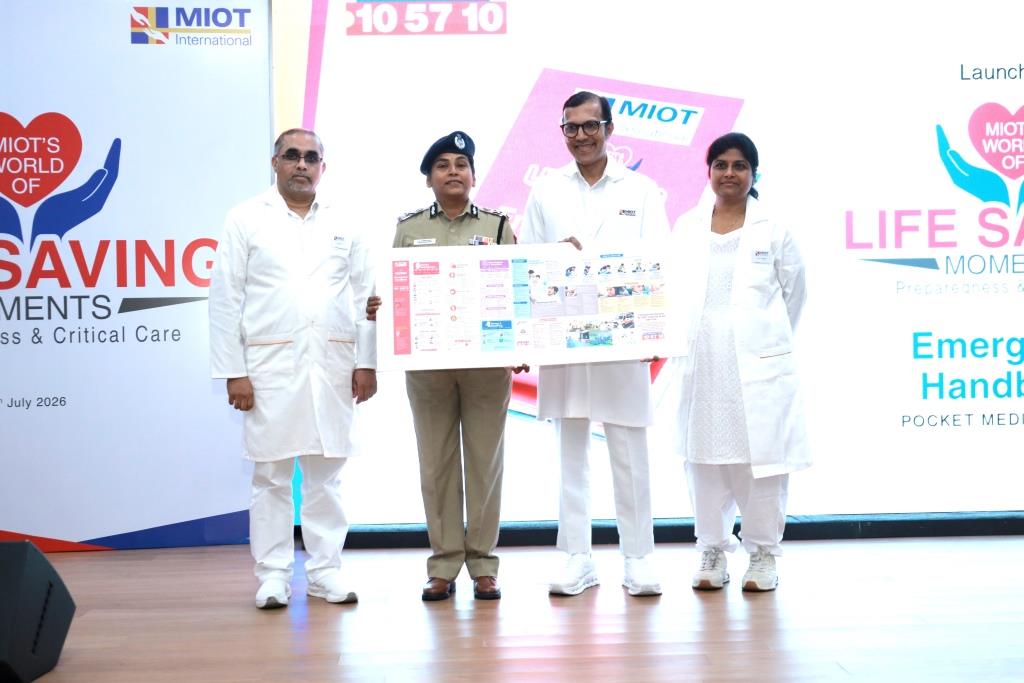
Chief Guest – Dr. B. Shamoondeswari, IPS, Additional Commissioner of Police (Traffic), Greater Chennai Police;
Dr. Prithvi Mohandas, Managing Director, MIOT International;
Dr. Sathya. P, Medical Director & HOD – Intensive Care Services, MIOT International
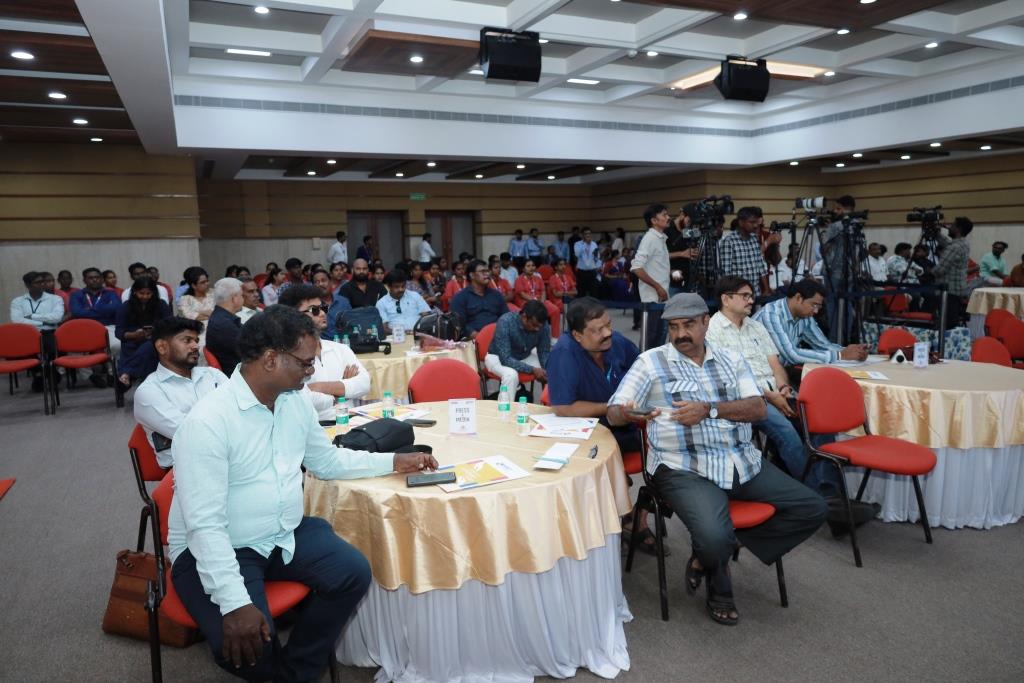
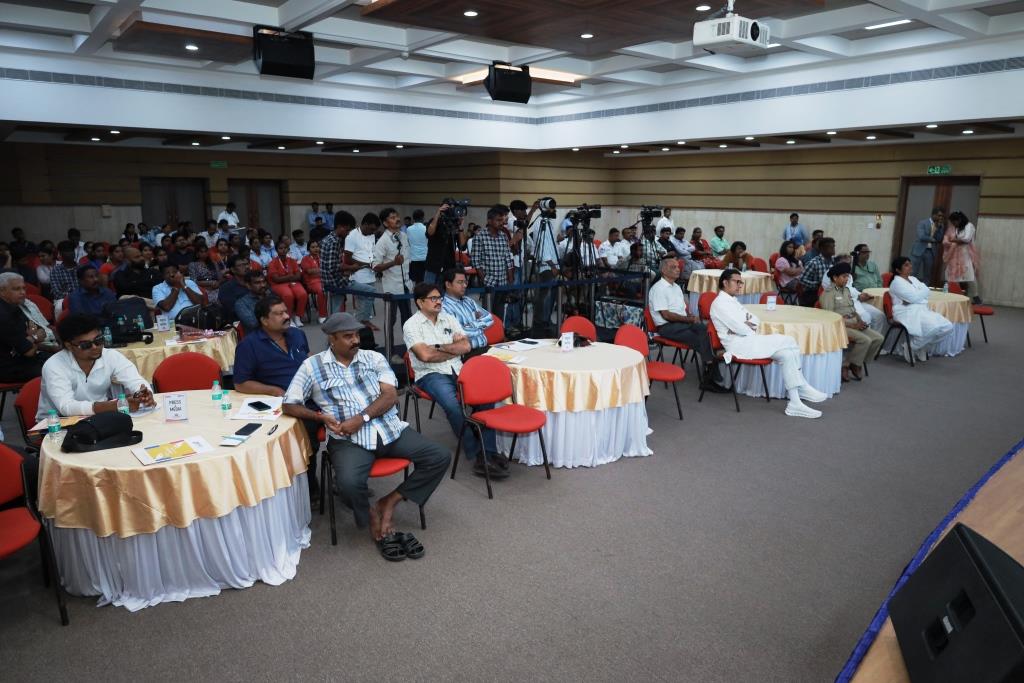
MIOT International has inaugurated ‘MIOT’s World of Life-Saving Moments’, a first-of-its-kind public Emergency Museum dedicated to building emergency preparedness and life-saving awareness. Designed to empower the public with practical knowledge and confidence, the museum helps visitors recognise medical emergencies and respond effectively when every second counts.
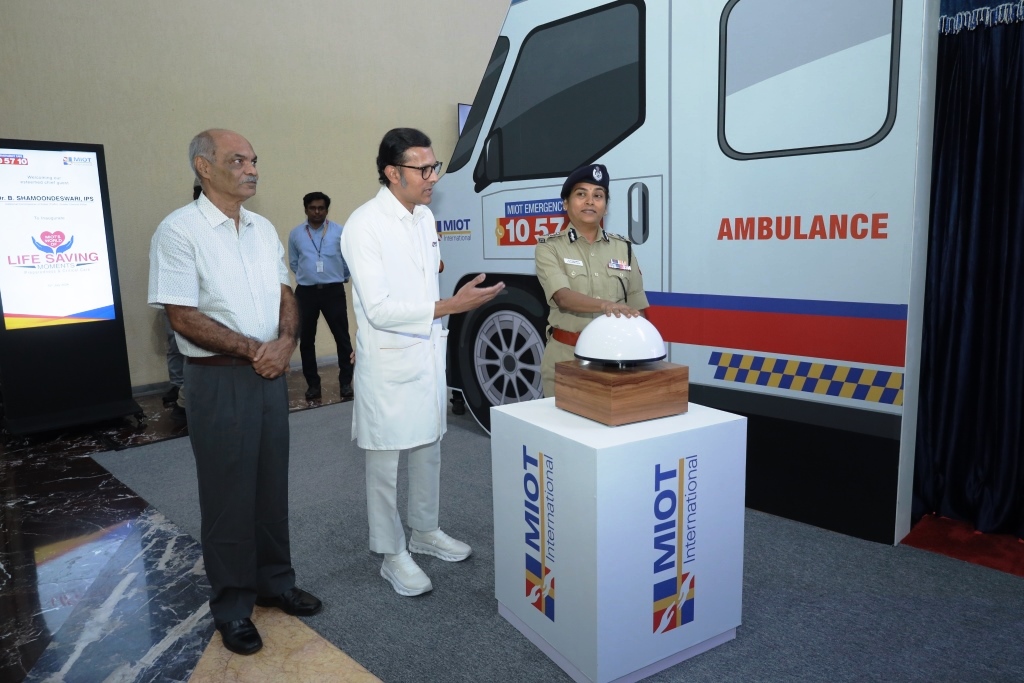
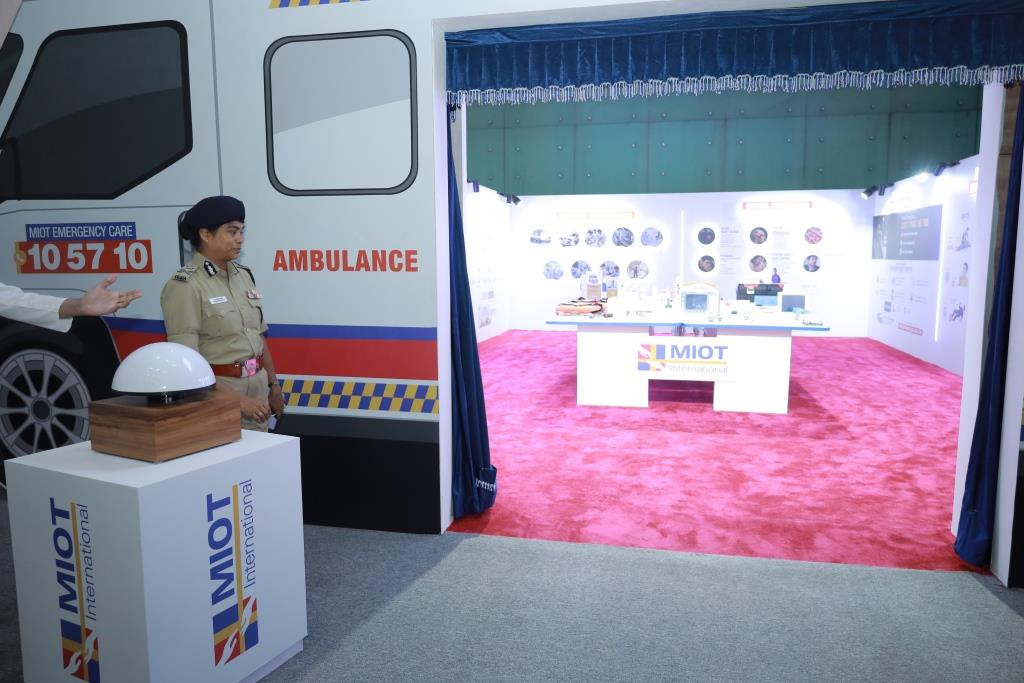
A first-of-its-kind public awareness initiative dedicated to emergency preparedness and critical care awareness, inaugurated by Dr. B. Shamoondeswari, IPS, Additional Commissioner of Police (Traffic), Greater Chennai Police.
MIOT International today launched its Emergency Museum — ‘MIOT’s World of Life-Saving Moments’ at its flagship campus in Manapakkam, Chennai. The thinking behind the museum is simple. In a medical emergency, the time between the incident and the arrival of professional help is rarely wasted when the people present know what to do and act without panic. It is almost always wasted when they do not. The museum was built to change that.
– Dr. Prithvi Mohandas, Managing Director, MIOT International
Inside the Museum
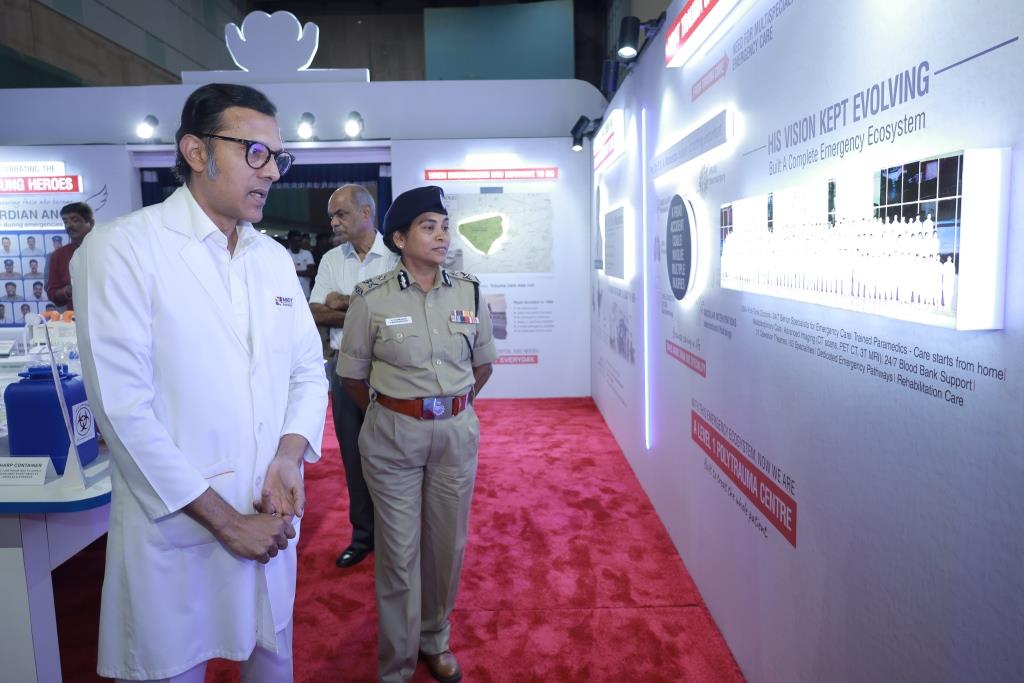
Spread across immersive visual panels, the museum takes visitors through the full arc of emergency care from Chennai’s early 1980s, when road accidents had nowhere to go and trauma care barely existed, to the founding of MIOT in 1999, the evolution of its emergency ecosystem, and the systems that today move a patient from ambulance to Cath Lab. Visitors learn to recognise critical emergencies such as silent heart attack, stroke, sepsis, poisoning, foreign object swallowing, anaphylaxis, and heat stroke alongside clear Do’s and Don’ts for accidents, choking, seizure, bleeding, and burns.
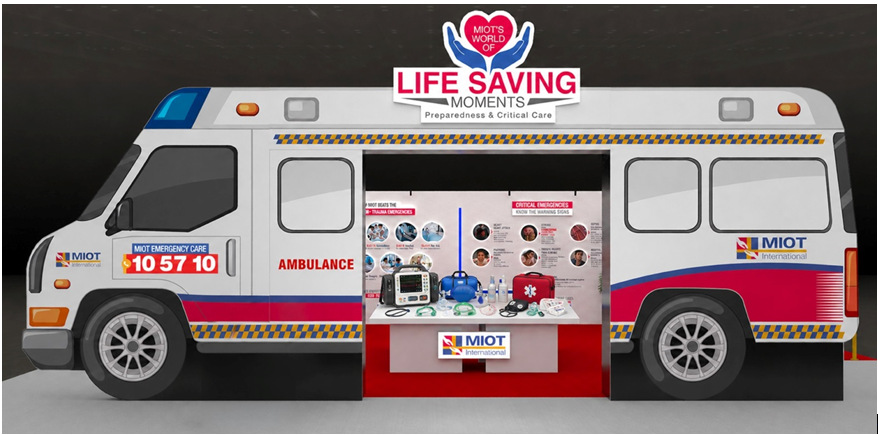
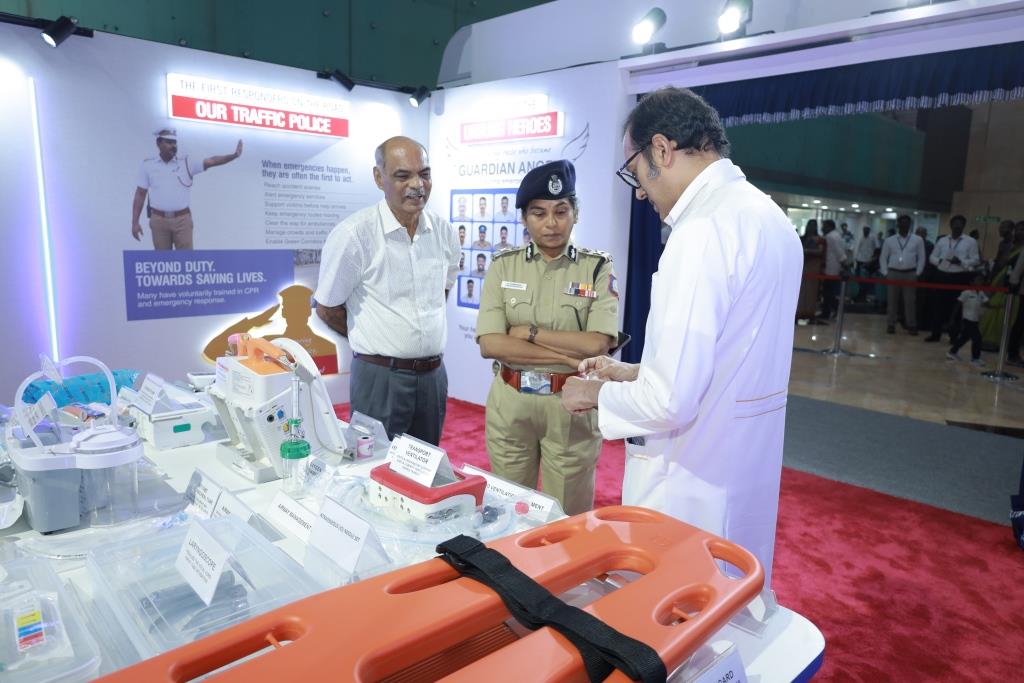
A live CPR demonstration station with a mannequin allows visitors to learn and practise chest compressions, translating awareness into a skill that can one day save a life. The museum walls also carry the faces and stories of those who responded when it mattered most — traffic police officers who were first on the scene, and the City Angels, ordinary citizens who chose not to walk away, recognised in collaboration with Big FM 92.7.
The Emergency Handbook — Pocket Medical Guide
Alongside the museum, MIOT International has also launched a compact Emergency Handbook, a pocket-sized medical guide designed to be kept at home, in a car, at a workplace, or in a bag. Small enough to fit in a palm when folded, it opens into immediately actionable emergency information across seven sections.
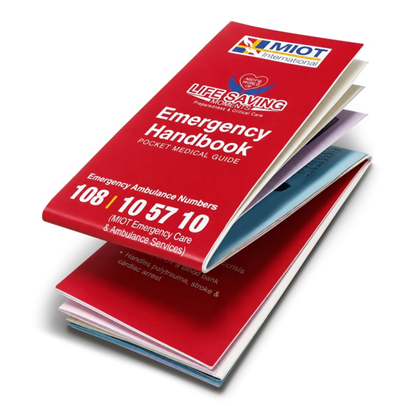
The handbook covers cardiac emergencies, airway and breathing, bleeding and shock, burns and trauma, neurological and metabolic emergencies, environmental hazards, and paediatric first aid — each with concise symptoms, step-by-step first aid, and critical warnings. It includes a quick reference section with India’s emergency numbers — including 108 and MIOT Emergency Care & Ambulance Services, 10 57 10.
The purpose of the handbook is straightforward: in the chaos of a medical emergency, most people freeze — not from indifference, but from not knowing what to do. Having the right information at hand gives people the confidence to act without panic, and act correctly. A physical guide that can be reached for, opened, and read in seconds is designed to bridge exactly that moment. It is not a replacement for professional medical training — it is the next best thing available to anyone who has never had it. The handbook will be distributed to visitors at the museum, and made available through MIOT’s outreach programmes, including schools, colleges, public gatherings, and community groups on request.
Honouring Those Who Respond First
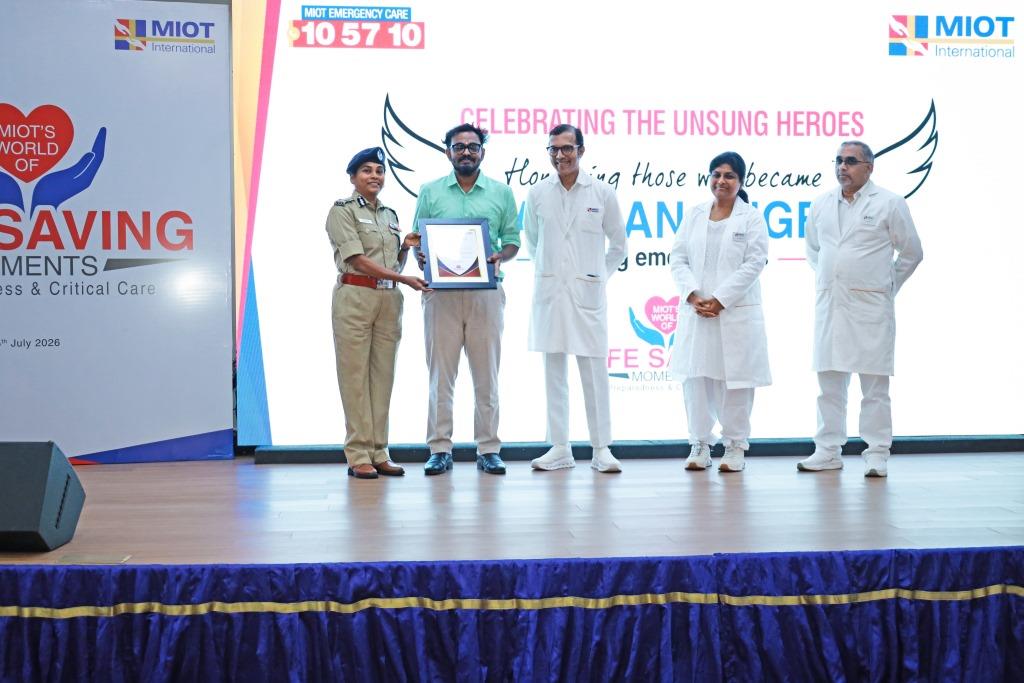
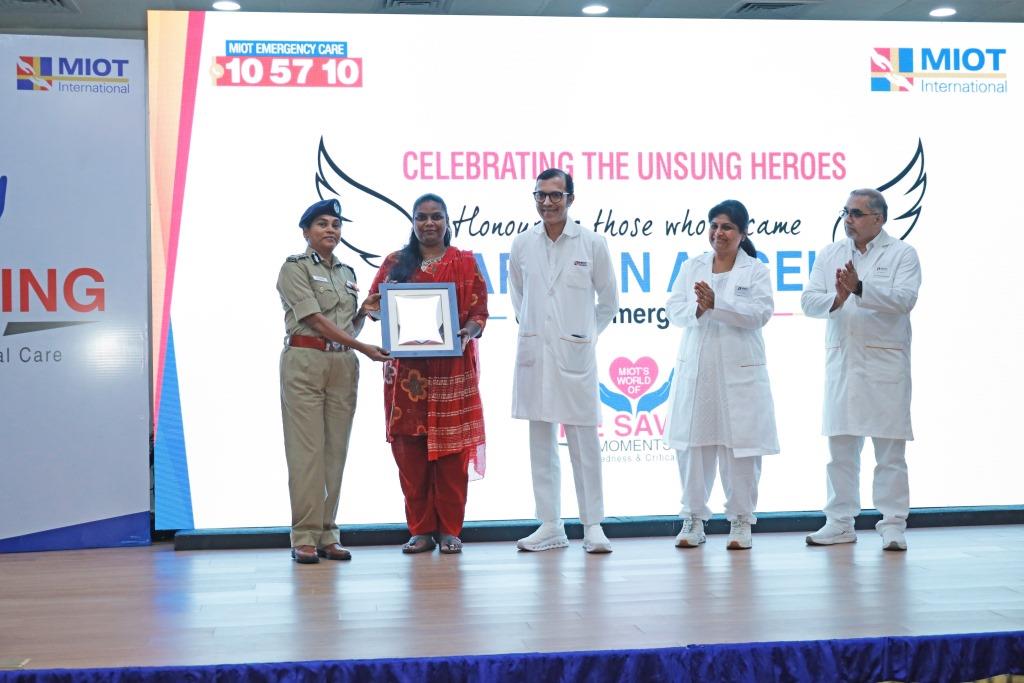
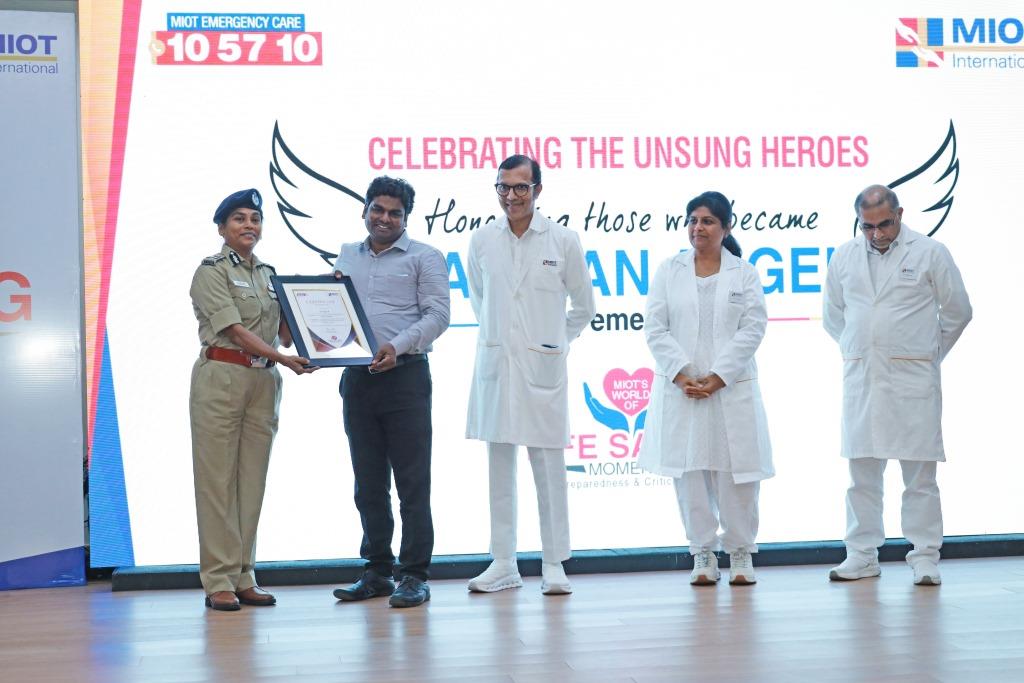
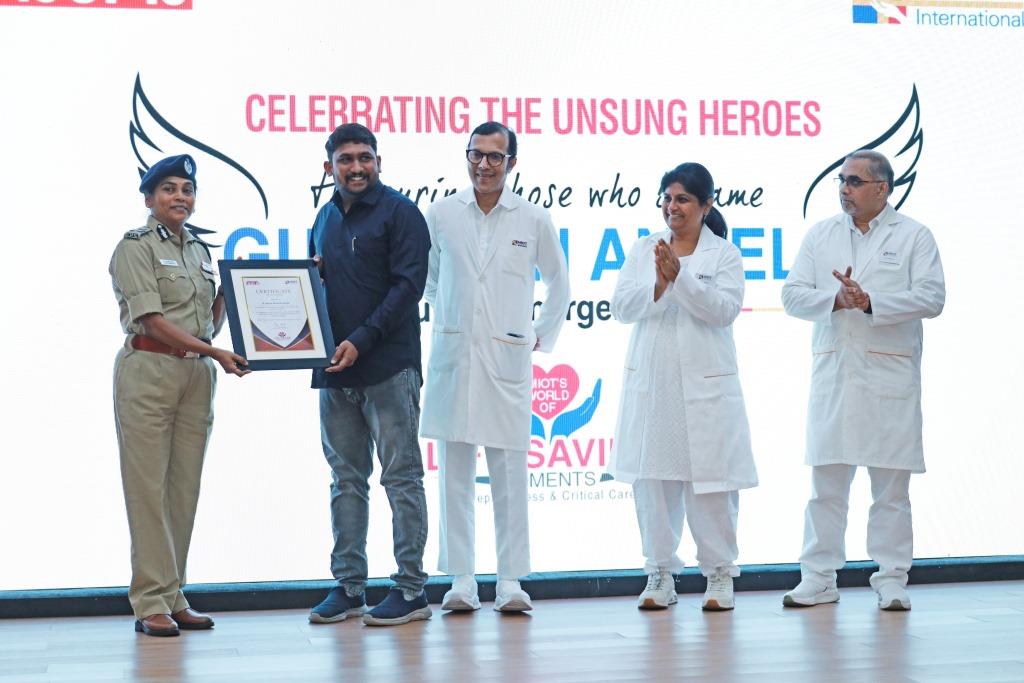
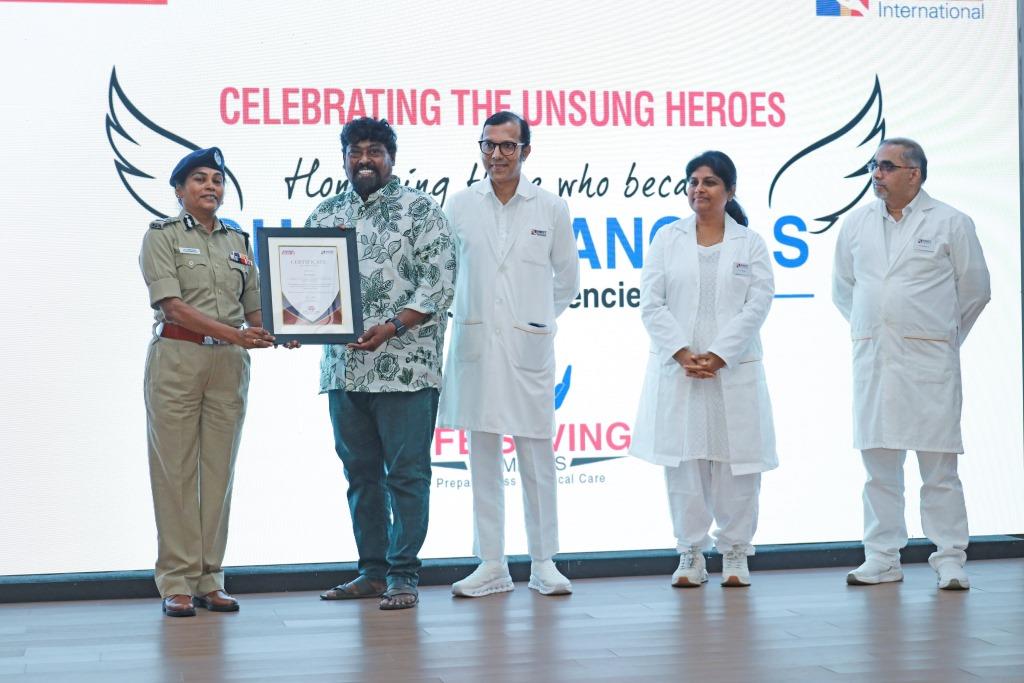
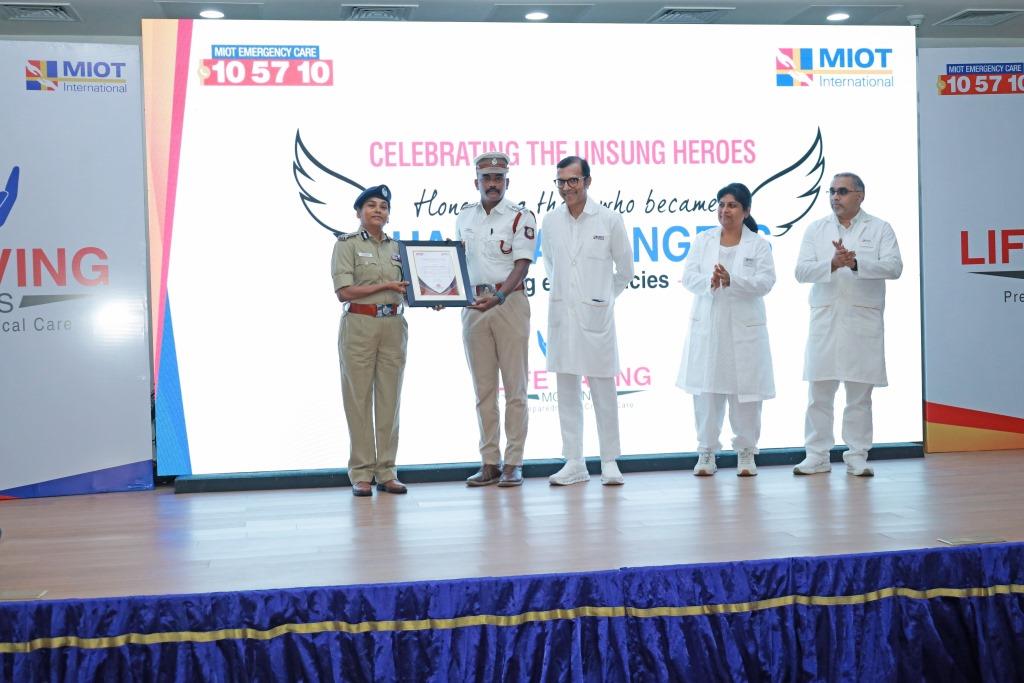
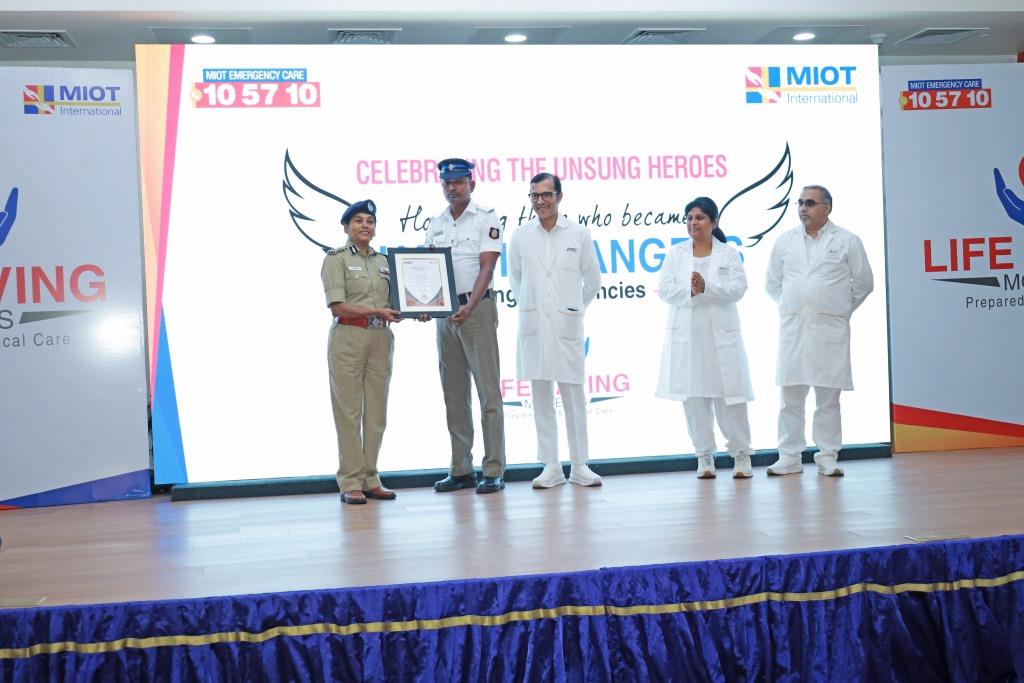
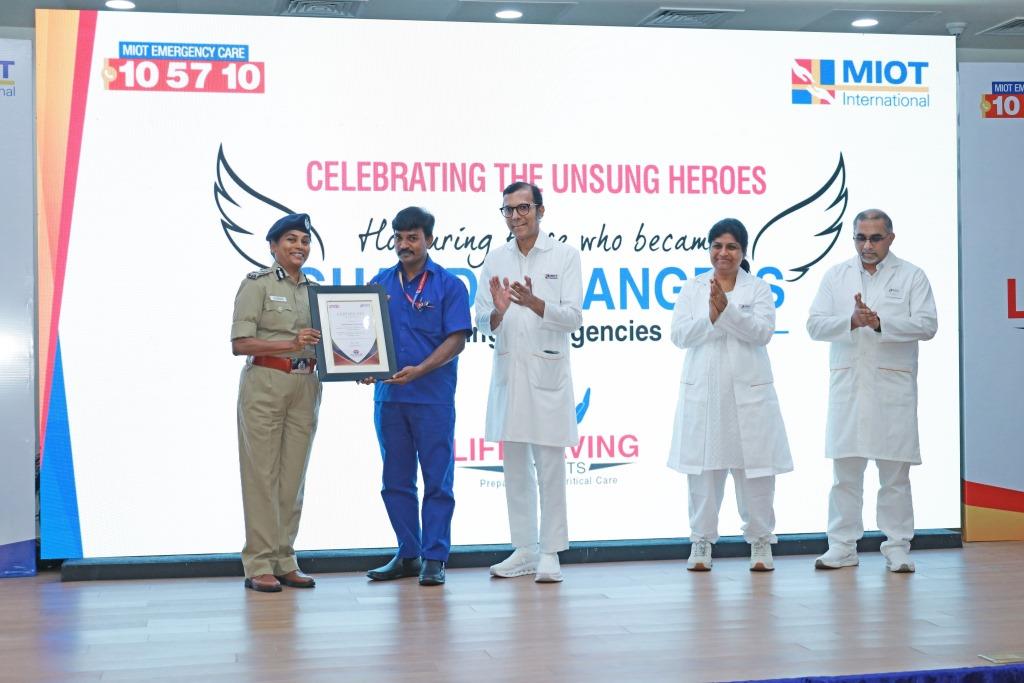
At the inauguration, MIOT International presented awards across three categories that represent the full chain of emergency response.
- The City Angels Awards, in partnership with Big FM 92.7, honoured ordinary citizens who stepped forward during emergencies with no obligation other than their own conscience — calm, composed, and choosing to act when it mattered most.
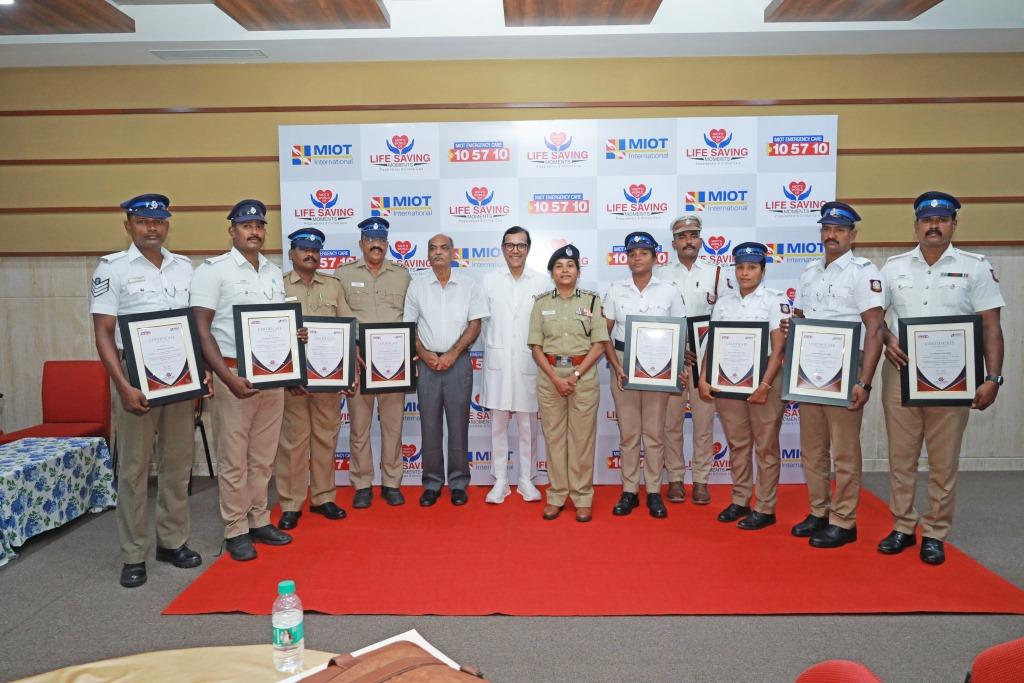
- Traffic police personnel were recognised for being the first to reach accident scenes, clearing routes, supporting victims, and voluntarily training in CPR, going well beyond the call of duty.
- MIOT also celebrated its own paramedic team, the trained emergency medical professionals who begin treatment the moment they reach a patient, ensuring that care starts at the scene and the hospital is ready on arrival.
Inaugurated by the City’s First Responders
The choice of chief guest was deliberate. Traffic police officers are almost always the first to reach an accident scene — alerting emergency services, supporting victims, clearing routes for ambulances, and enabling green corridors for organ transplants. Many have voluntarily trained in CPR and basic emergency response. The museum dedicates an entire panel to honouring their service, courage, and public commitment — a recognition that saving lives on the road begins not in a hospital but in the hands of those who get there first.
An Open Invitation to Schools and Colleges
The Emergency Museum will be open to the public from 15th July 2026 until 15th August 2026, and MIOT International extends a special invitation to schools and colleges across Chennai to bring their students for a visit.
Young people are the most important audience this museum can reach. A school student who learns to recognise a stroke today, or understands what to do when someone is choking, carries that knowledge for a lifetime — and may well use it to save one. As for the future of this nation, equipping them with emergency awareness is not optional. It is essential.
Built Over Decades: MIOT’s Emergency Legacy
MIOT International was founded in 1999 by Padma Shri Prof. Dr. P. V. A. Mohandas, who returned from the United Kingdom with a conviction that no life should be lost because the right care did not reach in time. What began as India’s first dedicated orthopaedic and trauma care hospital evolved — through decades of treating complex, multi-system emergencies — into a Level 1 Polytrauma Centre offering 63 specialities across 1,000 beds, with 250+ full-time specialist doctors, 24/7 blood bank, 21 modular operation theatres, India’s first Biplane CathLab, and dedicated emergency pathways for trauma, cardiac, stroke and other emergencies, where every metre between emergency entrance to resuscitation room, and Cath Lab is engineered to reduce the time it takes to save a life.
The MIOT Emergency Care and Ambulance Service, available 24/7 at 10 57 10, brings treatment directly to the patient. Trained paramedics begin assessment and stabilisation at the scene and continue inside the ambulance, ensuring the hospital team is fully prepared on arrival.
MIOT’s emergency philosophy is built on one principle: the priority is always the patient. Administrative formalities follow only after the patient has been stabilised. Beyond clinical care, MIOT actively invests in public health awareness, community preparedness, and medical education — recognising that a well-informed public is as essential to emergency outcomes as the hospital that receives them.